Fluid Coupling Fault Finding

Fixed-fill FCU, SFU and STC couplings

Fixed-fill fluid couplings such as the Fluidrive FCU and the steel-cased SFU and STC are simple machines, and when they go wrong the cause is usually one of a handful of things: the oil fill, the load, alignment or wear. This guide sets out the symptoms we see most often, what causes them and what to check, based on our experience of these couplings going back to working for Fluidrive and Voith.

Fault finding on a scoop-controlled coupling follows the same principles, with the added complications of the scoop tube and the emptying valves. For those, see our scoop-controlled fluid couplings page.

Any unusual noise: stop the coupling and examine it. Always isolate the drive before inspecting or opening a coupling.

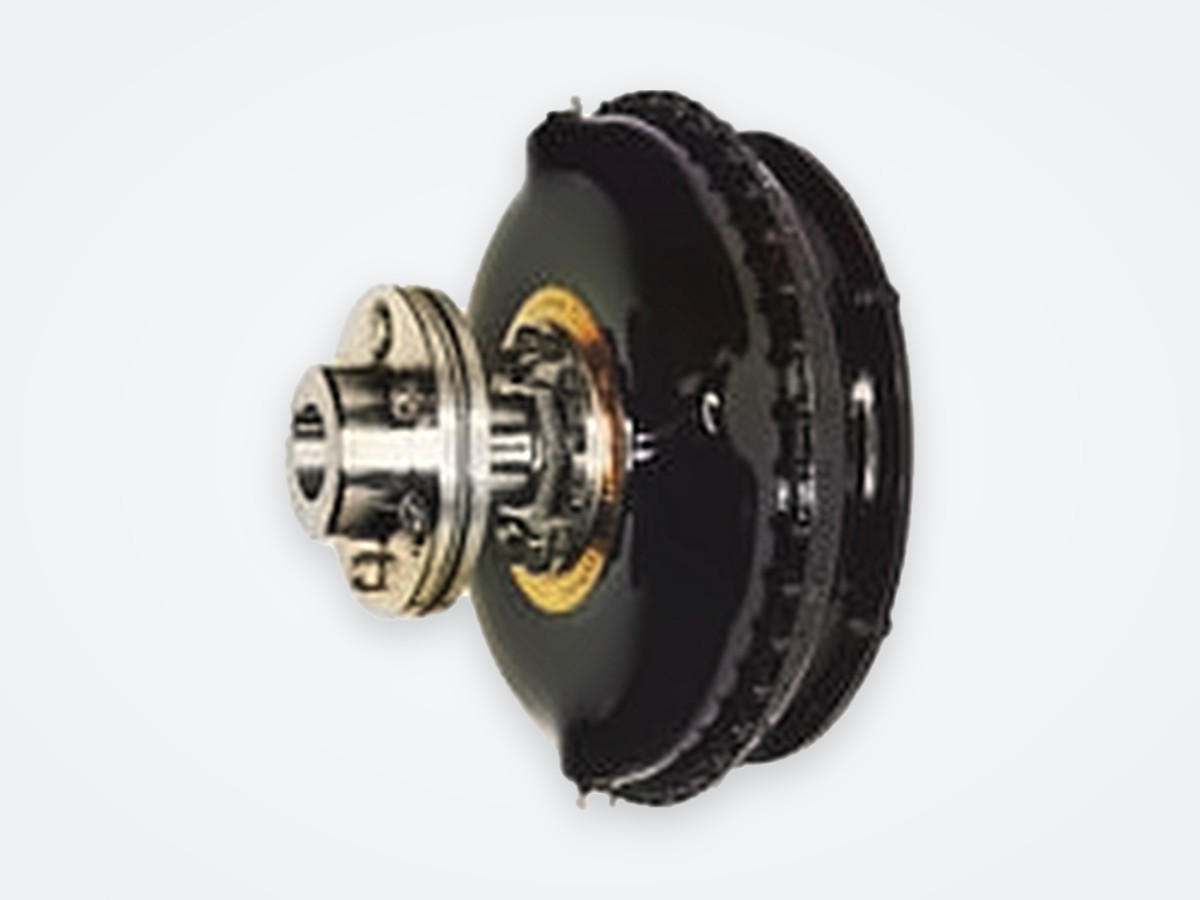
Fluidrive FCU fixed-fill fluid coupling with multi disc output coupling
Fluidrive FCU fixed-fill coupling with multi disc output coupling
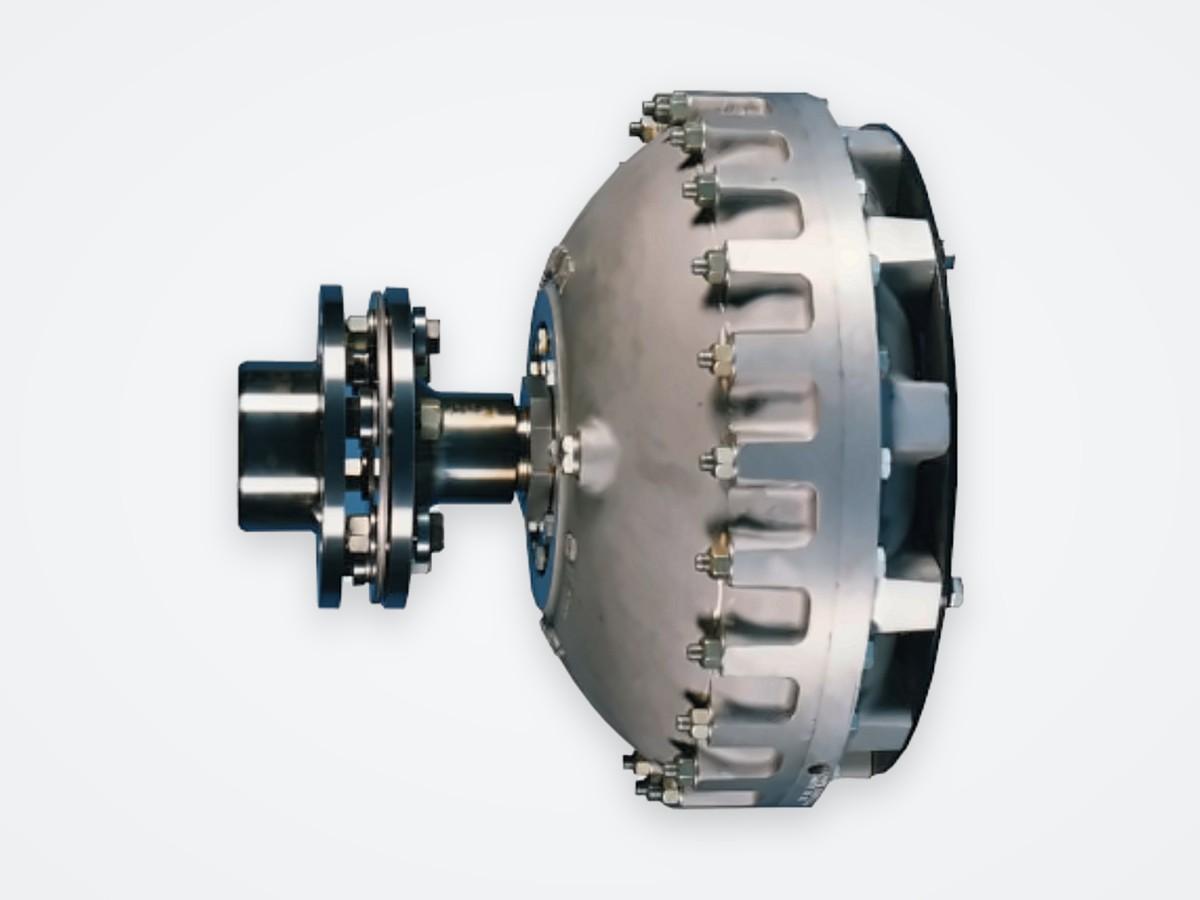
Fluidrive SFU steel-cased mining fluid coupling
Fluidrive SFU steel-cased coupling

Coupling Will Not Get Up to Speed

Start by watching the motor

The most common complaint is a driven machine that will not come up to speed. The quickest way to narrow it down is to see what the motor is doing:

If you can, check the current the motor is drawing. Motor amps show how much power the system is demanding, which tells you whether the problem is in the coupling or in the load.

With the coupling filled and set correctly, the fusible plug protects the drive: in a sustained overload or stall the oil heats up, the plug melts and the oil is released before the motor, coupling or driven machine is damaged. A plug that keeps melting is telling you something about the load or the fill, not that the plug is wrong. If you send us the motor current and voltage, the coupling type and size, and the driven machine, we can generally advise on the cause.

Common Faults

Symptoms, possible causes and what to do

SymptomPossible causesWhat to do
Motor up to speed, output slowLow oil level; wrong type of oil; oil lost through a leak or a melted fusible plug.Check the oil fill and oil type against the coupling's specification. Look for leaks and check the fusible plug.
Motor cannot get up to speedOverload in the driven machine; motor speed low or motor under-rated for the duty.Check the motor current. Check the driven machine for jams, overfeeding or mechanical faults.
Fusible plug meltingSustained overload or stall; low oil fill increasing slip; starts repeated too close together; incorrect plug fitted.Find the cause of the overload before refilling. Check the fill and the plug type and rating, and the starting pattern. Note the motor current and voltage: with the coupling type and size and the driven machine, we can generally advise.
Coupling running hotRunning with high slip because of overload or a low fill; poor ventilation around the coupling guard.Check motor current and the oil fill. Make sure the guard allows air to circulate.
Oil leaking from the glandThe gland assembly is wearing out.Replace the gland assembly. A retrofit gland can often be used, but check it against the contract records first (see below).
Oil leaking from plugs or jointsDamaged or missing sealing washers on the filler or fusible plugs; casing joint.Fit new sealing washers and tighten the plugs correctly. Check the casing joint.
Multi disc unit (MDU) failedMisalignment. An MDU failure is almost certainly an alignment problem.Check and correct alignment before fitting a new MDU, and check the half coupling bolt holes (see below).
Resilient driving plate brokenMisalignment between the coupling and the motor; worn location surfaces.Check alignment, the motor boss location ring and the coupling centre spigot before fitting a new plate.
Unusual noise or vibrationMisalignment; bearing wear; worn or broken flexible elements.Stop the coupling and examine it. Do not run it until the cause is found.

Before Fitting a New MDU or Driving Plate

Fix the cause, not just the part

Multi disc units and driving plates are the flexible elements at the output and input of the coupling. They are designed to take small misalignments, not to correct large ones, so when one fails the cause is almost always alignment. Fitting a new part without finding the cause means it will fail again.

Before fitting a new multi disc unit:

Before fitting a new driving plate:

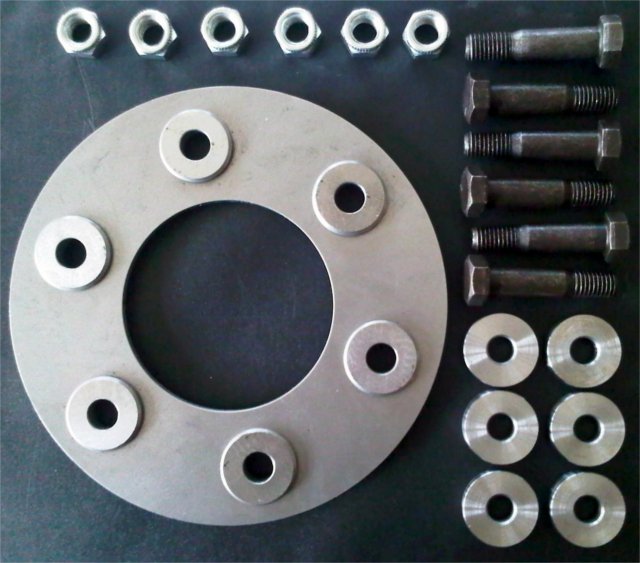
Fluidrive FCU multi disc output kit with bolts, nuts and spacers
FCU multi disc output kit
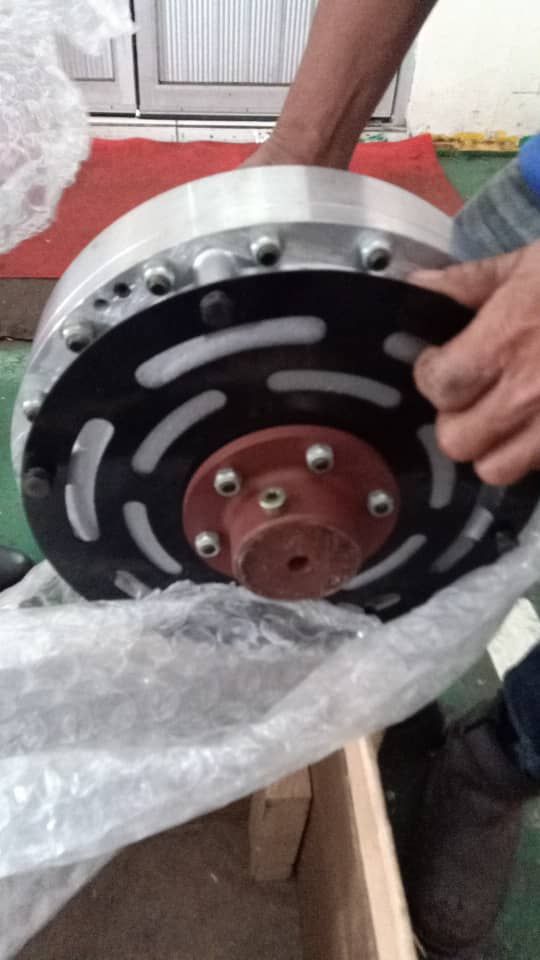
Pembril FCU coupling with driving plate fitted
FCU coupling with driving plate fitted

Gland Leaks on FCU Couplings

Why the contract number matters

Oil leaking from the gland means the gland assembly is wearing out. In many cases the current retrofit gland assembly can be used as a replacement, but this needs checking against the coupling's contract records first.

The gland is the part of the FCU that changed most over the years. Different sizes changed gland design at different dates, and a gland from one design will not seal properly in a coupling built for another: trying to mix them will almost certainly leak. Send us the contract number from the nameplate and we will confirm the right gland for your coupling.

Older FCU, SFU and STC Couplings

Identifying what you have

FCU. The FCU traction coupling was the forerunner of all later Fluidrive designs, built in sizes from 6 to 41, and early examples are still running today. Over its life it changed from BSF fasteners to UNF, and then to metric threads and metric bearings from around contract C34000 in the early 1970s, with parallel runner shafts replacing tapers. Fluidrive kept the complete unit interchangeable through these changes, but the parts often are not:

SFU and STC. These steel-cased traction couplings were developed for the British mining industry after aluminium was banned underground. They were the first range with metric size designations, in eight sizes from 300 to 600, and come in two types:

Both types were later produced in a strengthened version for arduous duties such as coal and mineral breakers, where sudden lock-ups happen, and in a softer-starting "K" version with a different impeller. Many parts are interchangeable between the variants of the same size, so it is important to identify exactly which variant you have before ordering parts.

Use the section drawings on our Fluidrive coupling spares page to identify parts, and see the scoop coupling page for dating a coupling from its contract number.

Fluid Coupling Questions

Why is my fluid coupling slipping?

If the motor reaches full speed but the coupling output does not, the coupling is usually low on oil or filled with the wrong type of oil. If the motor itself cannot reach speed, the driven machine is overloaded. Checking the motor current helps to tell the two apart.

Why does my fusible plug keep blowing?

The fusible plug melts when the oil overheats, which happens in a sustained overload or stall, when the coupling is underfilled and slips too much, or when starts are repeated too close together. Find and fix the cause before refilling; fitting a plug with a higher melting temperature removes the protection rather than solving the problem. Send us the motor current and voltage, the coupling type and size, and what it drives, and we can generally advise on the cause.

Why is oil leaking from my fluid coupling?

Oil from the gland on an FCU means the gland assembly is wearing out and needs replacing. Leaks from the filler or fusible plugs are usually worn or missing sealing washers. Check the gland design against the coupling's contract number, because different gland designs are not interchangeable.

Why do my multi disc units keep failing?

Repeated multi disc unit failures are almost always caused by misalignment. Check and correct the alignment, and check the half coupling bolt holes for elongation, before fitting a new unit. Elongated holes mean the half couplings need replacing too.

What should I do if my fluid coupling is making a noise?

Stop the coupling and examine it. Unusual noise usually means misalignment, bearing wear or a worn or broken flexible element, and running on can turn a small repair into a large one.

What is the difference between an SFU and an STC coupling?

Both are Fluidrive steel-cased traction couplings, developed for underground mining. The SFU mounts on a drive head with a driving plate input and multi disc output. The STC fits directly onto a splined gearbox input shaft inside a bell housing, so it needs no conventional alignment.

Tell Us About Your Coupling

Faults, spares or a replacement

Fill in what you know. Fields marked * are needed. The nameplate with the contract number, a photograph, and the motor current and voltage help most: attach photos once your email or WhatsApp opens.

The coupling
Your details