AirSweep vs Vibrators and Fluidisers

When silo vibrators, aeration pads and air cannons do not cure a blocked hopper

Industrial vibrators and fluidisers (aeration pads) are the most common flow aids fitted to silos, hoppers and bins. They are cheap to buy and simple to fit, and on the right material they work. But many sites end up with a vibrator that shakes the whole building while the hopper stays blocked, or aeration pads that hiss away while the material hangs up a metre further up the cone.

This page compares how vibrators, fluidisers, air cannons and AirSweep® work, where each one fits, and why they fail. IPT Engineering is the UK agent for AirSweep from Control Concepts, and much of what follows comes from their experience of more than 10,000 AirSweep systems, many fitted where vibrators or fluidisers had already been tried.

Already have a vibrator or aeration pads that are not doing the job? Tell us about your silo or hopper.
How Each Flow Aid Works

Shaking, aerating, blasting or sweeping

Control Concepts sum up the difference between fluidisers and AirSweep as comparing a garden hose with a fire hose: both use air, but AirSweep delivers far more force and volume in each pulse.

Why Vibrators Fail

Compaction, noise and a fatigued vessel

Vibrators can work well on dry, free-flowing materials with an occasional hang-up. They are a poor choice for damp, sticky or fine materials, which are exactly the ones that bridge most.

Why Fluidisers and Aeration Pads Fail

Gentle air only suits light, dry powders

Side-by-Side Comparison

Vibrators, fluidisers, air cannons and AirSweep

Swipe the table sideways to see all four.

VibratorsFluidisers / aeration padsAir cannonsAirSweep
How it worksShakes the vessel wallLow-pressure air through pads inside the vesselLarge single blast of airSequenced 360-degree air pulses along the wall
Damp or sticky materialOften compacts it and makes bridging worsePoorBreaks heavy build-up locallyWorks on wet, sticky, stringy and heavy materials
Fine dry powdersCan work, but compacts finesGoodNot usually usedGood
Effect on the vesselMetal fatigue; stiffeners neededNone, but pads wearHigh wall stressNo vibration or wall stress; suits thin-walled vessels
NoiseHigh, continuousLowVery loud bangsShort pulses
Air or energy useElectricity or air while runningOften continuous airLarge air volume per shotShort intermittent pulses of plant air
MaintenanceMounts and welds crackPads inside the vessel block and wearValves and mountsServiced from outside; Control Concepts quote parts lasting around 1,000,000 cycles
Best forDry, free-flowing materials with occasional hang-upsLight, dry powdersHeavy build-up in large vesselsBridging, ratholing and wall build-up across most materials, including where other flow aids have failed

AirSweep needs a plant air supply of 80 to 100 psi (5.5 to 7 bar) at the vessel. Control Concepts give a seven-year warranty on the AirSweep body, and ATEX-certified versions are available for dust zones.

Replacing a Vibrator or Aeration Pads with AirSweep

Usually without modifying the vessel

AirSweep nozzles are fitted through the vessel wall from outside, into steel, stainless, concrete, fibreglass or wooden vessels. Existing vibrators can usually be left in place and switched off once AirSweep is running, so there is no need to remove them first. A controller fires the nozzles in sequence, either on a timer or linked to the discharge.

With Control Concepts, we work out the number, size and position of the nozzles for your vessel and material, from a drawing or sketch, a few photos and the details in the form below.

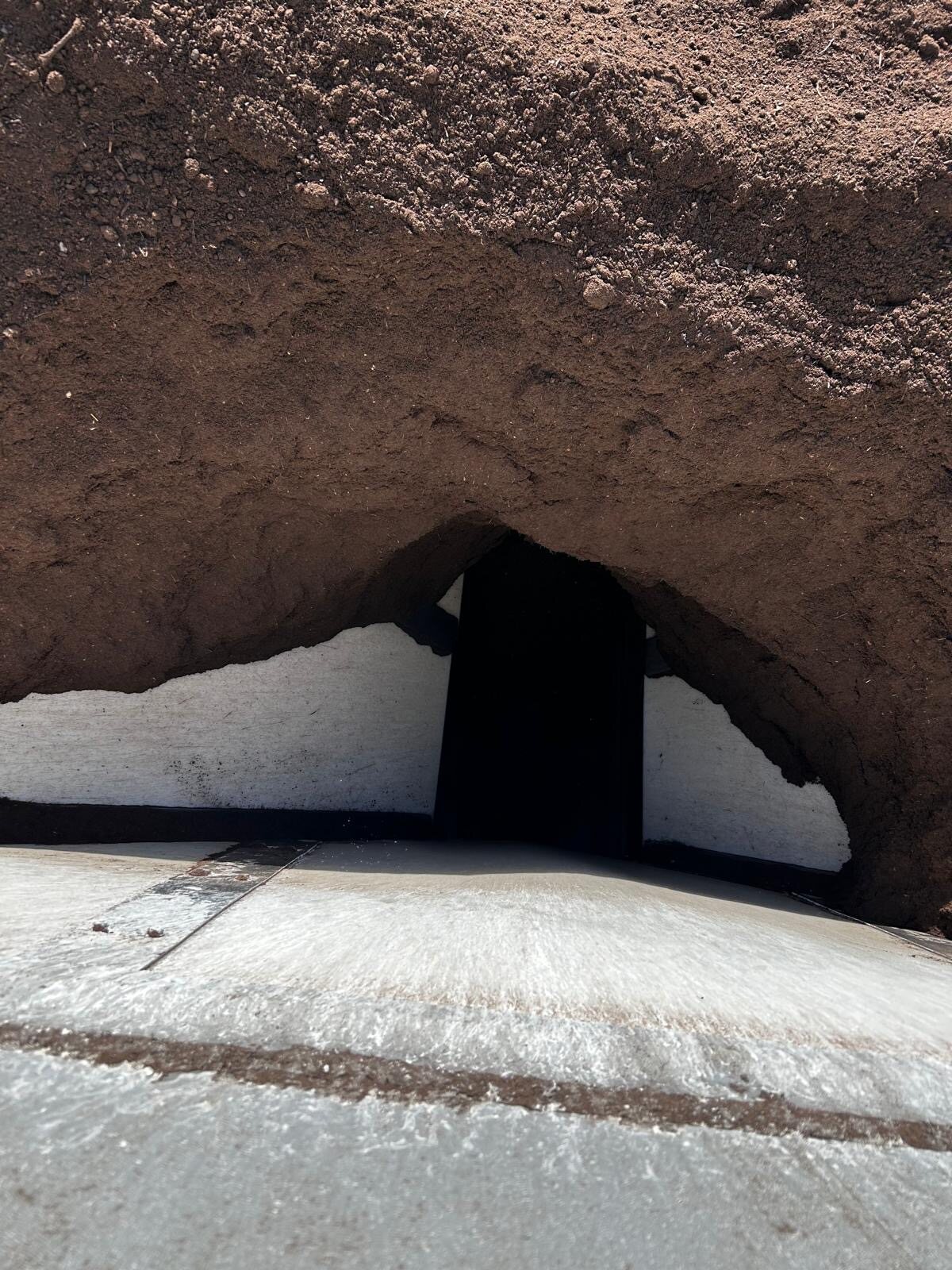
Soil bridging over the outlet of a bagging plant hopper fitted with vibrators
BeforeVibrators fitted, soil still bridged
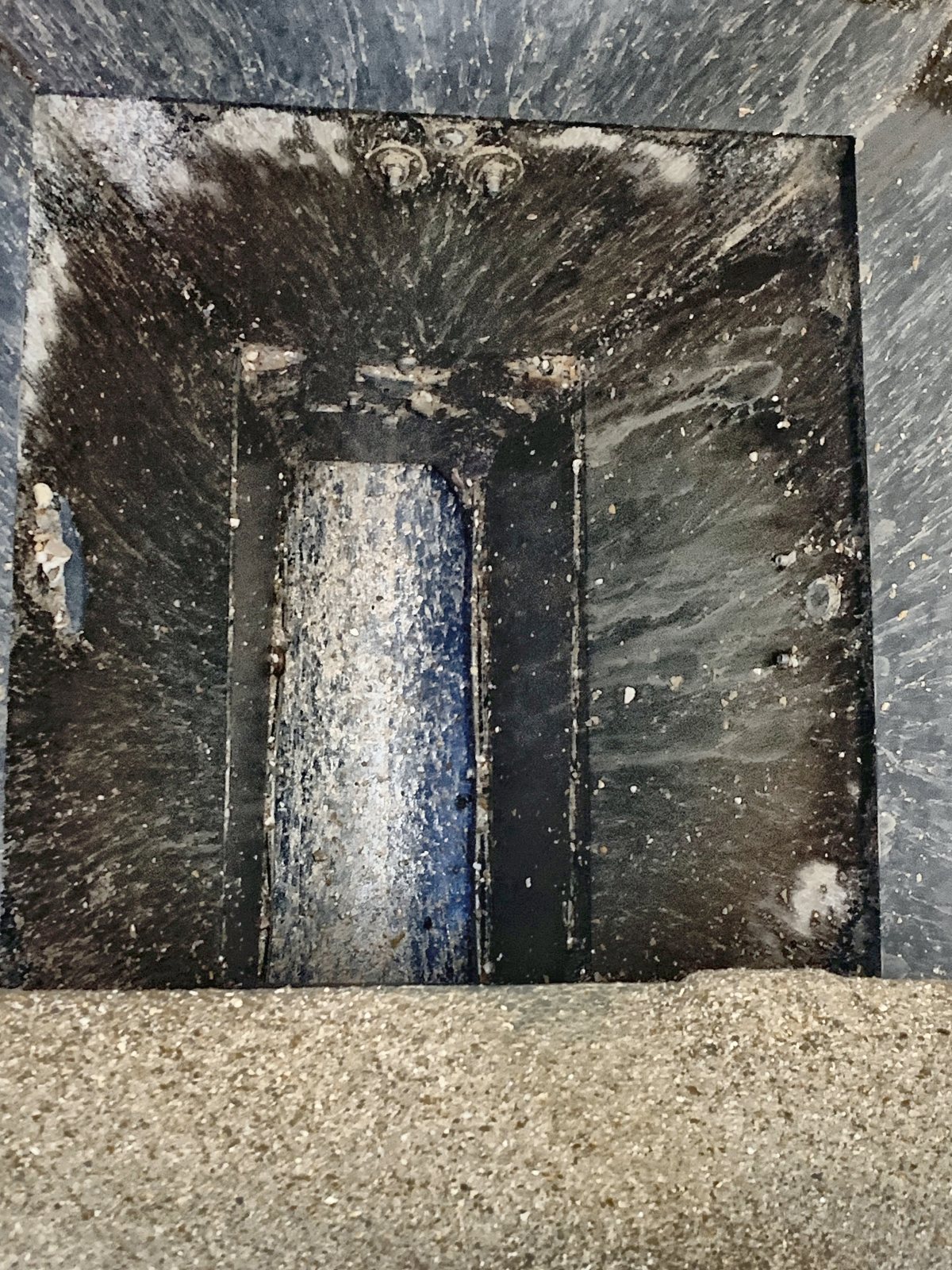
Soil hopper with clean walls and material flowing after AirSweep
AfterFour AirSweep nozzles keep the soil flowing

Case study: a UK compost and soil bagging plant had vibrators on its hopper, but the soil still bridged, especially in cold, wet weather, and the loader operator was hammering and rodding the hopper above a moving conveyor. Four AirSweep VA-06C nozzles, designed by IPT with Control Concepts, now keep it flowing. Read the soil hopper case study.

For how AirSweep works and the range of nozzles, see AirSweep material flow systems. For the causes of bridging and ratholing and every way to fix them, see our silo and hopper bridging guide.

Vibrator and Fluidiser Questions

Do silo vibrators work?

On dry, free-flowing materials with an occasional hang-up, often yes. On damp, sticky or fine materials they often compact the material and make bridging worse, and they fatigue the vessel and are noisy.

Why is my hopper still blocking with a vibrator fitted?

The vibrator is probably packing the material tighter rather than breaking the arch, especially if the material is damp, fine or has stood for a while. A flow aid that moves material along the wall without shaking the vessel, such as AirSweep, is usually the answer.

What is the difference between a fluidiser and an AirSweep?

Fluidisers or aeration pads let low-pressure air seep into the material near the pad and suit light, dry powders. AirSweep fires short, high-pressure 360-degree pulses along the wall, which also move wet, sticky, stringy and heavy materials.

Can AirSweep replace aeration pads or vibrators?

Usually, yes. AirSweep nozzles are fitted from outside the vessel, and existing vibrators can be left in place and switched off. We size the system with Control Concepts from a drawing, photos and details of the material.

How much compressed air does AirSweep need?

AirSweep runs on plant air at 80 to 100 psi (5.5 to 7 bar). It fires short intermittent pulses rather than running continuously, so the average air use is low. We work out the air demand for your vessel when we size the system.

Will AirSweep damage my silo?

No. AirSweep does not vibrate or hammer the vessel, so it can be used on thin-walled steel, fibreglass and other vessels that would be damaged by vibrators or air cannons.

Tell Us About Your Silo or Hopper

We will come back with the options

Fill in what you know. Fields marked * are needed. For a full proposal, open the application details as well. A drawing or sketch of the vessel with dimensions, and photos, help most: attach them once your email or WhatsApp opens.

The problem
Your details
Full application details (optional, helps us quote)

These follow the Control Concepts application data sheet. Fill in what you know; we will ask about the rest.

Material
Vessel
Flow
Controls and air supply

AirSweep® is a registered trademark of Control Concepts USA.