Industrial Damper Problems

Why dampers stick, leak, warp and hunt, and what to do about it

Most industrial damper problems come down to one of four complaints: it won't move, it won't close, it won't hold position, or the actuator keeps failing. On energy from waste, biomass and boiler plant the cause is nearly always heat, ash and dust, or the way the damper and its drive have been linked together.

This guide sets out what we see on site, what to check first and when it is time to replace the damper rather than keep repairing it. It covers multi-blade louvre dampers, butterfly dampers on furnace and exhaust lines, fan inlet vanes and the actuators that drive them.

Always isolate the actuator and make the duct safe before working on a damper. A damper can move without warning when its drive is energised or the gas flow changes.
Ask about a damper → Send a photo, a size or the old maker's details and we will take a look.

Quick Diagnosis

Symptom, likely cause and what to check first

Swipe the table sideways to see more →

SymptomLikely causesWhat to check first
Damper stiff or seizedAsh or dust in the bearings; corroded or galled shafts; blades binding in the frame when hot; glands packed too tight.Disconnect the actuator and try the damper by hand. If it is stiff on its own, the fault is in the damper, not the drive.
Exhaust damper seizingCondensation in the exhaust line during heat-up and cool-down, mixing with dust; cast iron parts corroding.Check when it seizes. If it sticks after a shutdown or start-up, moisture is the likely cause.
Seat or disc damaged on a fast-cycling damperA heavy disc slamming onto a metal seat many times an hour; actuator much bigger than the damper needs.Count the cycles per hour and compare the actuator's torque with what the damper actually needs.
Damper passing when shutWorn or burnt seals; warped or eroded blades; linkage or end position set so the blades never reach closed.Compare the actuator's closed position with where the blades actually are. Inspect the seals and blade edges at the next shutdown.
Blades or frame distortedRunning hotter than the damper was designed for; materials or blade sections not suited to the duty; uneven heating.Compare the real gas temperature, including upsets, with the damper's design rating.
Poor control or huntingSlack in the linkage; damper only using part of the actuator stroke; linkage geometry wrong for the damper.Watch the damper and actuator together through a full stroke and look for lost movement at the rod ends and crank arms.
Actuator stalling or trippingDamper seized or binding; actuator too small for the torque at temperature; heat radiated from the duct.Free the damper first. Then check the actuator's torque rating against the damper and the temperature at the drive.
Problems straight after an outageLinkage, stroke or end positions not reset after the damper was worked on.Recommission the actuator against the damper: set the end positions, check the stroke and check the control signal.

Damper Stiff or Seized

The most common problem we see

Ash and dust find their way into shaft bearings and glands, and on hot duties shafts and bearings corrode or gall. Thermal growth can also close up the clearance between blades and frame, so a damper that moves freely when cold binds once it is up to temperature. Gland packing that has been over-tightened to stop a leak does the same.

The first check is always the same: disconnect the actuator and move the damper by hand. If the damper is stiff on its own, the problem is the damper. Fitting a bigger actuator to a seized damper just moves the failure somewhere else, usually a sheared key, a bent linkage or a twisted shaft.

Condensation is a big one on exhaust lines. We were asked to look at a six-zone furnace where the exhaust valves kept seizing. Each zone had a modulating air valve and exhaust valve, and the exhaust valves were cast iron body and disc, with a maker's data sheet that said no moisture allowed. During heat-up and cool-down the exhaust gas condenses, mixes with the dust and the valve locks up. The answer there is stainless parts and a swing-through disc that does not need a tight seat. Most exhaust duties do not need tight shut-off, and a disc that swings through has nothing to stick against.

Warped Blades and Frames

When the damper isn't built for the heat

Heat is the hardest thing on a damper. Blades that are too thin, the wrong material, or not free to expand will distort, and once they distort the damper binds, passes and breaks its linkages. Temperature cycling makes it worse, as does running above the design temperature during upsets.

Materials matter just as much. On one furnace, aluminium-bodied butterfly valves had been fitted on an exhaust duty up to 350°C, with dust and some moisture at start-up. They had been repaired several times. An aluminium valve on that duty is always going to be living on borrowed time; a stainless swing-through damper built for the temperature is the better fit.

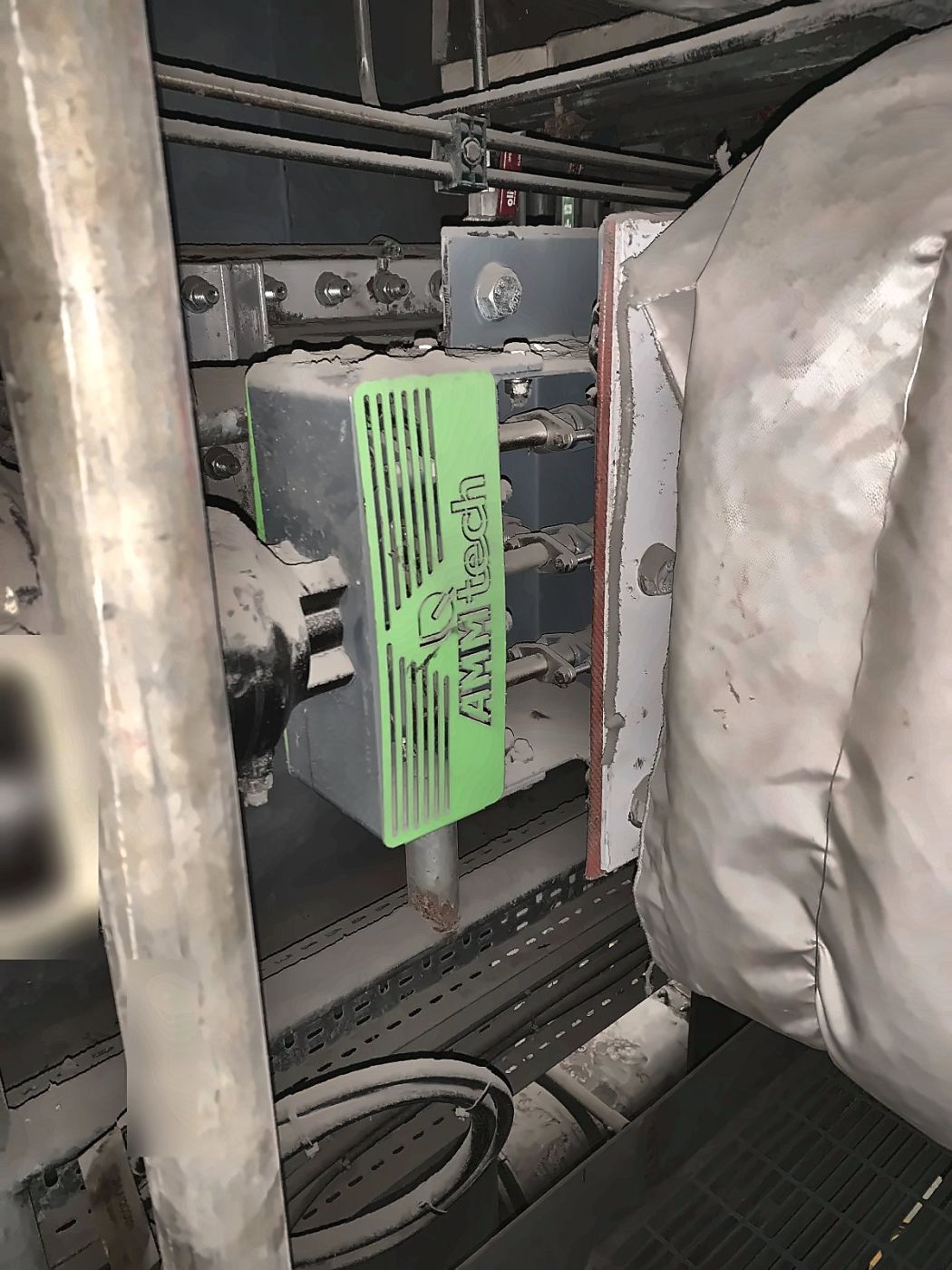
A real example. At a number of UK biomass and energy from waste plants, the original overfire air dampers supplied with the plant failed in the harsh conditions they worked in. They were replaced with AMMTech dampers designed as drop-in replacements, fitting the same ductwork and drives. They have now run for three to four years without any maintenance. The full story is in our biomass damper recommissioning case study.

Replacement AMMTech overfire air damper at a UK biomass plant
Replacement AMMTech overfire air damper
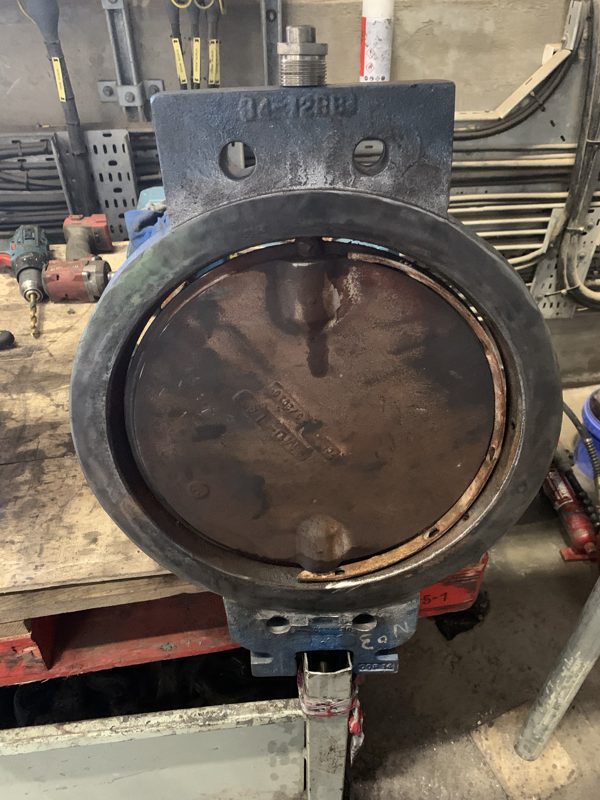
Inspection of a failed high-temperature butterfly valve
Inspecting a failed high-temperature valve

Damper Passing When Shut

Leaking past the blades

A damper that passes when it should be shut is either worn or not actually closing. Seals burn or wear, blade edges erode on dusty gas, and warped blades no longer meet. Just as often the damper is fine, but the linkage or end position has been set so the blades stop short of closed. If the actuator says 0% and the damper indicator does not, start with the linkage.

It is also worth remembering that a control louvre damper is not an isolation damper. If you need positive isolation, for example to make a duct safe for entry, it needs a damper designed for it, such as a double-seal damper with seal air or a triple-offset design.

Fast-Cycling Dampers

When the seat takes a hammering

Some furnace air and exhaust dampers open and close every 45 seconds or so, switching between cold air and dusty flue gas at 400°C or more. That is over a thousand cycles a day, and it is very hard on the seat.

On one job the existing dampers were metal ledge-seat valves with a heavy ductile iron disc, driven by a large spring-return actuator. The disc has real momentum when it hits the seat, and the seats were getting damaged. The heavier disc also needs more torque, so the actuator gets bigger, which makes the slam worse.

Poor Control and Hunting

Usually the linkage, not the actuator

Poor control is rarely the actuator's fault. The usual causes are:

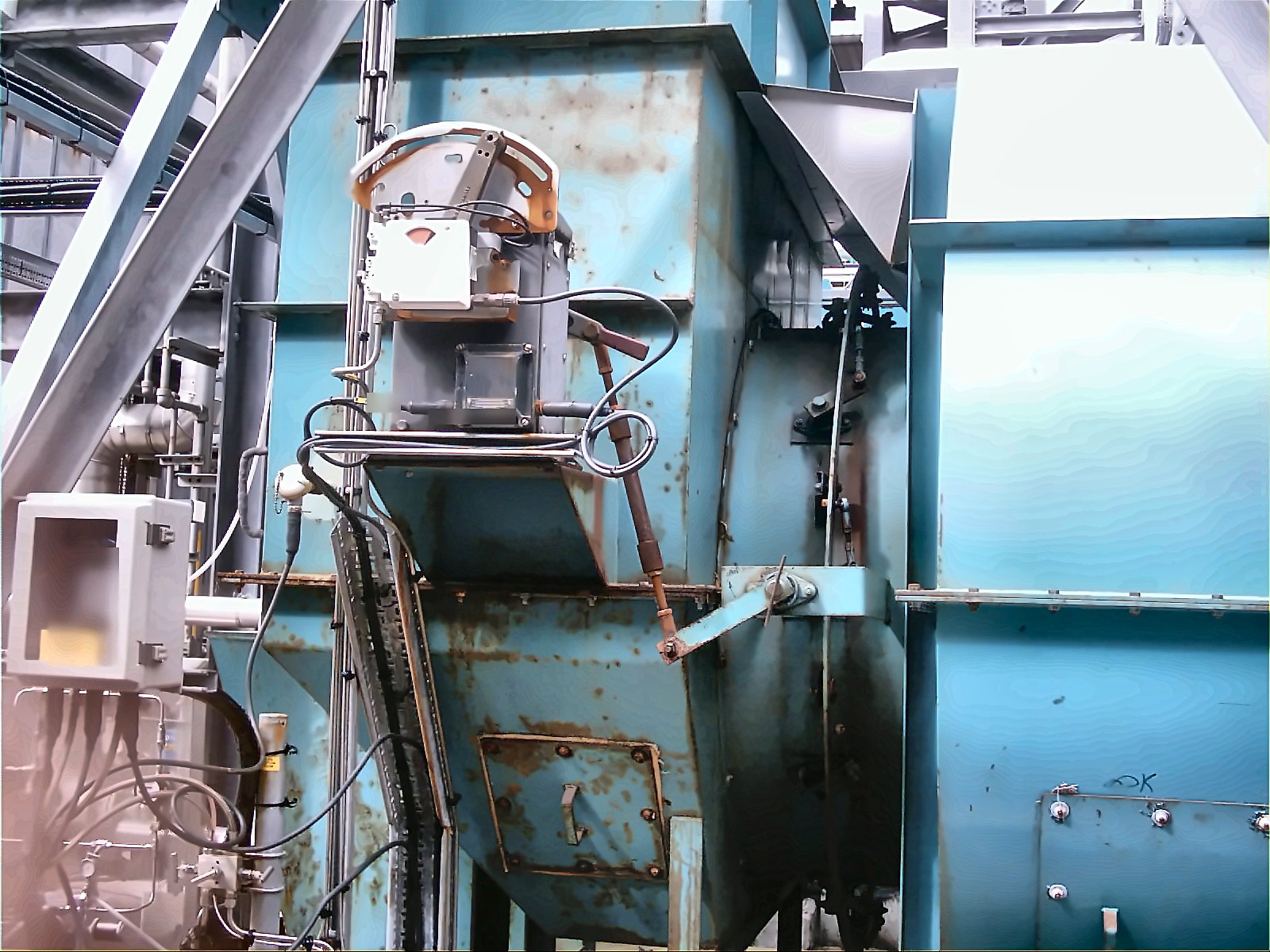
Beck's Link-Assist™ program works out the crank arm lengths and angles for a linkage, so the drive uses its full stroke and the damper responds evenly. At one oil refinery, two Beck 11-209 drives on the FD fan vane and ID fan damper were set up this way in about 2011 and are still running, around 15 years later.

Beck 11-209 actuator and linkage on a refinery boiler fan
Beck 11-209 and linkage on a refinery boiler fan
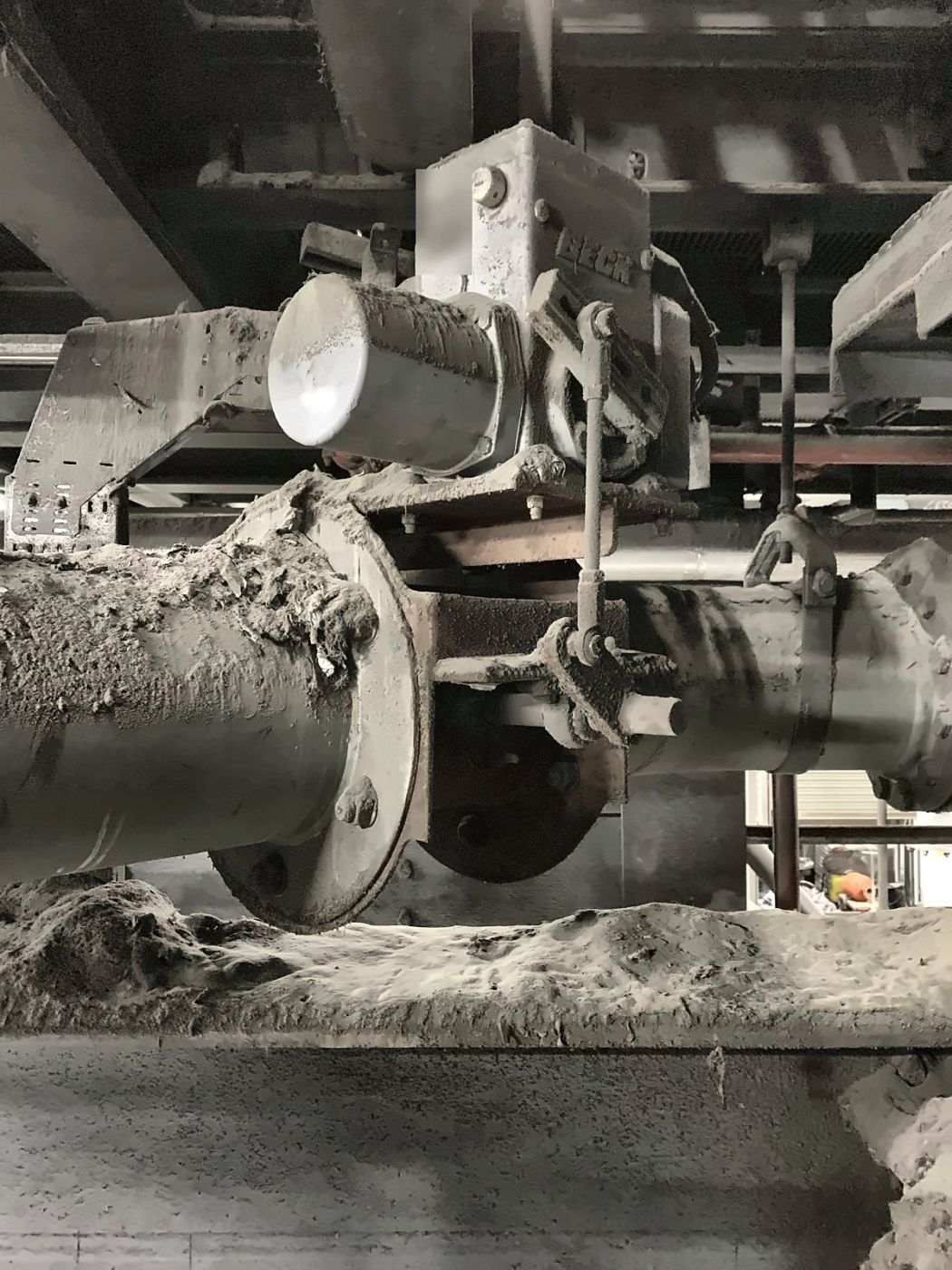
Beck actuator and linkage on an underfire air damper
Actuator and linkage on an underfire air damper

Actuator Failures

Why damper drives burn out

When a damper actuator keeps failing, look at what it is being asked to do before replacing it like for like. The common causes are a damper that is binding or seized, an actuator that was too small for the torque at temperature in the first place, heat radiated from the duct, and constant hunting on a drive whose motor was never meant for continuous modulation.

Beck electric drives are built for exactly this duty. The low-speed, no-burnout motor will not overheat even when stalled or modulating continuously, and the drives are often fitted and forgotten. At several UK biomass plants, every Beck actuator we inspected during damper maintenance was in good condition and went straight back into service. See our Group 11 rotary damper drives and actuator replacement pages.

After a Damper Overhaul

Recommission the drive, don't just bolt it back on

When a damper is overhauled the actuator has to come off and go back on, and that is where a lot of new problems start. Before the plant returns to service:

Repair or Replace?

When to stop patching an old damper

Repair makes sense when the frame and blades are sound and the problem is bearings, seals or linkage. We can supply damper spares, including parts for older makes, from drawings, samples or photographs.

Replacement is usually the better answer when blades or frames are distorted, when the same damper fails every outage, or when the original maker no longer supports it. A drop-in replacement built to the existing flange and duct dimensions avoids changing the ductwork, and the existing actuator can often be reused.

Check the fit before you order. Older plant is full of non-standard sizes, and these are the things that catch people out:

Send us photos of the old damper, its nameplate and the measurements above and we will check what fits.

Frequently Asked Questions

Why does my damper stick?

Usually ash or dust in the shaft bearings, corrosion on hot duties, or blades binding in the frame as they expand with heat. Over-tight glands are another common cause. Disconnect the actuator and move the damper by hand to confirm the damper is the problem.

Why is my damper leaking when it is closed?

Worn or burnt seals, warped or eroded blades, or a linkage and end position set so the blades never reach fully closed. Check the actuator's closed position against the blades first.

Why does my exhaust damper keep seizing?

Often condensation. During heat-up and cool-down the exhaust gas condenses and mixes with dust, and cast iron parts corrode and lock up. Stainless parts and a swing-through disc that does not need a tight seat are usually the cure.

Why does the damper actuator keep failing?

Most often because the damper is binding, the actuator is too small for the torque at temperature, it is exposed to heat from the duct, or it is hunting continuously on a motor not rated for modulating duty.

Can you replace an obsolete damper without changing the ductwork?

Yes. AMMTech dampers can be built as drop-in replacements to the existing flange and duct dimensions, and the existing actuator can often be reused.

Do you supply damper spares?

Yes. Blades, shafts, bearings, seals, linkages and actuators, including parts for older dampers where the original maker no longer supports them.

Request a Damper Quotation

Pick a damper type, or fill in what you know

Every industrial damper is made to suit its duct and duty, so we quote each one individually. Choose a damper type and duty below to start, and we will fill in the form for you. Fields marked * are needed; anything else you know helps us quote faster. Drawings, nameplate photos and photos of the existing damper can be attached once your email or WhatsApp opens.

Damper typeTypical dutyQuote for
Single-blade (butterfly) damperRound or rectangular ducts; isolation or control of air and gas
Multi-blade louvre damperLarge rectangular ducts; flow control with parallel or opposed blades
High-temperature damperHot gas, flue gas and furnace duties beyond standard equipment
Heavy-duty process damperContinuous-duty, dusty or abrasive process gas streams
Triple-offset damperTight shut-off and dependable isolation under demanding conditions
Spare parts for an existing damperBlades, shafts, bearings, seals, linkages and actuators
The damper
Size and connection
Process conditions
Operation
Your details